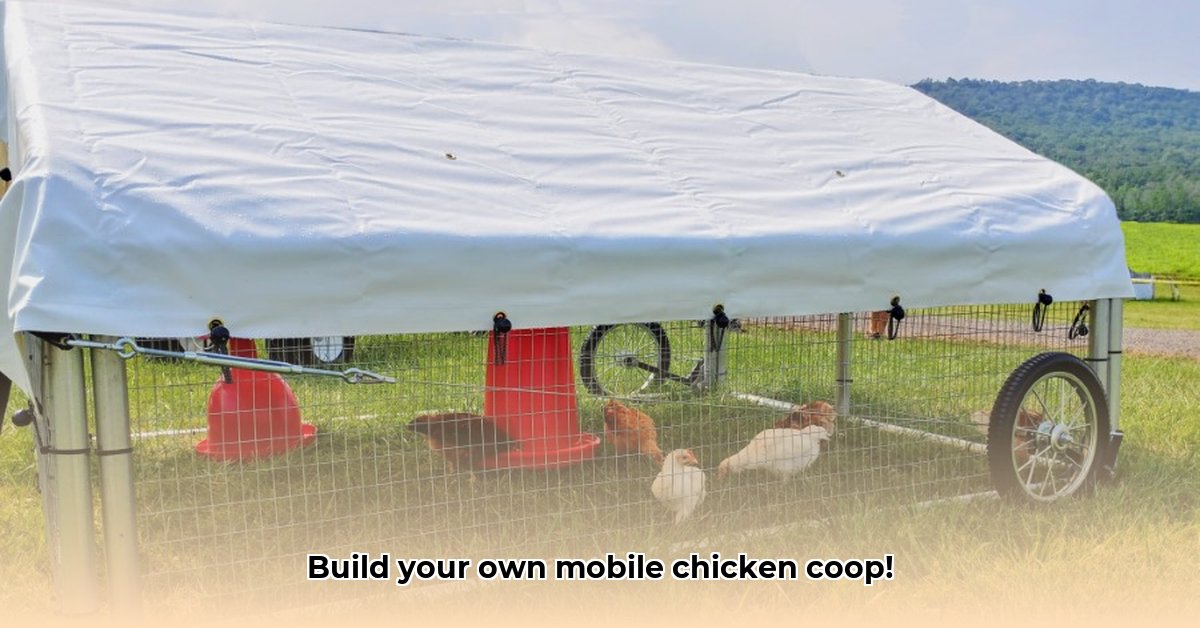
Raising chickens in your backyard offers a rewarding connection with nature, providing fresh eggs and natural pest control. A portable chicken tractor—a movable coop—is the key to happy hens and healthy soil. This guide will walk you through building or buying one, from planning to long-term sustainability. Let's embark on your backyard farming adventure! For more design ideas, check out this chicken tractor website.
Planning Your Portable Chicken Tractor: Laying the Foundation for Success
Before you start building or shopping, careful planning is crucial. First, determine your flock size; this directly impacts the coop's dimensions. Next, locate a sunny spot with easy access for moving the coop. Remember to check local ordinances for poultry-keeping regulations. Finally, create a realistic budget. DIY projects offer cost savings but require time and skills, while pre-fabricated options provide convenience but at a higher price.
Here's a comparison to help you decide – Do you prefer a DIY or pre-fabricated portable chicken tractor?
| Option | Pros | Cons | Approximate Cost Range | Time Commitment | Skill Level Required |
|---|---|---|---|---|---|
| DIY | Significant cost savings, fully customizable design, rewarding experience | Requires time, tools, and construction skills; potential for mistakes | $100 - $500+ | Several weekends | Moderate to High |
| Pre-fabricated | Convenient, often well-designed, readily available | More expensive, limited customization options, may require assembly | $300 - $1000+ | Few hours to a day | Low to Moderate |
Isn't it amazing how much impact the size of your flock and your construction approach have on the overall project timeline and cost?
Designing and Building Your Own Portable Chicken Tractor: A Step-by-Step Guide
Building your own portable chicken tractor is a rewarding project that allows for complete customization. Here’s a step-by-step guide:
Gather Supplies: You'll need durable wood (pressure-treated lumber is recommended), sturdy wire mesh (hardware cloth is far superior to chicken wire for predator protection), hinges, heavy-duty wheels, screws, and fasteners. Repurposing materials is a sustainable option.
Construct the Frame: Build a sturdy rectangular frame. The frame's strength is vital for supporting the weight of the chickens, feed, water, and withstanding weather conditions.
Add Walls and Roof: Secure the wire mesh to the frame, creating walls and a roof for protection from predators and elements. Ensure the mesh is small enough to prevent escapes.
Install Door and Wheels: Create a secure access door. Attach sturdy, easy-to-maneuver wheels for mobility.
Add Finishing Touches: Include roosting bars, nesting boxes, and a ramp for easy chicken access.
Safety Check: Thoroughly inspect for gaps or weaknesses in the wire mesh or structure.
Did you know that using reclaimed wood can reduce your environmental impact significantly while adding rustic charm to your portable chicken tractor?
Choosing a Pre-fabricated Portable Chicken Tractor: Making an Informed Decision
If DIY isn't your forte, explore pre-fabricated options. Carefully research models, comparing features like size (based on your flock size), mobility, durability, and predator protection. Prioritize coops made from sustainably sourced materials. Read customer reviews to get an honest assessment of the product's quality and performance. Focusing on sustainable options lowers your environmental impact.
What are some key considerations when comparing different pre-fabricated portable chicken tractors?
Daily Operation and Maintenance: Keeping Your Flock Thriving
The portability of a chicken tractor offers significant advantages. Moving it daily prevents overgrazing, allowing pasture regeneration and providing natural fertilizer. Your daily routine includes feeding and watering, egg collection, cleaning (to prevent disease), and relocating the coop to fresh pasture. Regular maintenance, including inspecting for damage and repairing or replacing parts promptly, is essential for the coop's longevity and the flock's well-being.
Did you know that moving a chicken tractor daily improves soil health and reduces pest and parasite problems?
Long-Term Sustainability: A Commitment to Responsible Farming
A portable chicken tractor is an investment in sustainable living. Rotating pasture use prevents soil depletion and promotes healthy plant growth. Composting chicken manure creates a valuable natural fertilizer for your garden. By selecting durable, sustainable materials and performing regular maintenance, you extend the coop's lifespan, minimizing waste and reducing your environmental footprint. This contributes to a harmonious ecosystem benefiting your chickens, your garden, and the planet.
What are the long-term benefits of using a portable chicken tractor for your backyard chickens and your garden?